








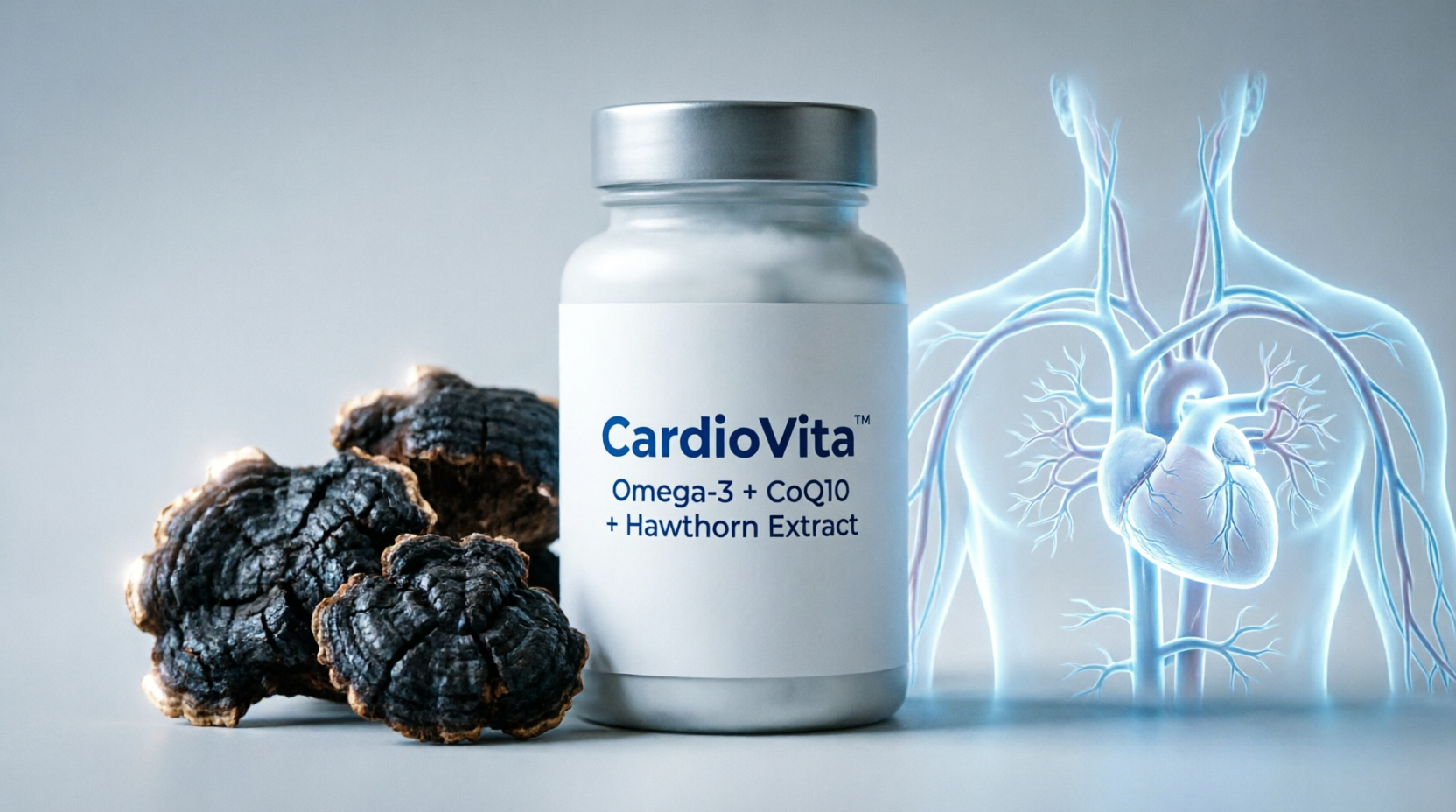
Understanding Cardiovascular Longevity: An Exhaustive Analysis of Provascin and Structural Heart Support
The human cardiovascular framework is an intricate network of vessels, muscles, and chemical pathways that demands precise biochemical equilibrium to function optimally over a lifespan. As modern healthcare shifts its focus toward preventative medicine and targeted nutritional therapy, specific formulations have emerged to address the multi-faceted nature of vascular aging. Among these, provascin has garnered significant attention from clinical researchers, pharmacists, and health-conscious individuals aiming to maintain arterial elasticity and robust myocardial performance.
Maintaining cardiovascular wellness involves more than simply managing blood pressure or monitoring cholesterol metrics. It requires protecting the endothelial lining of blood vessels, reducing oxidative stress, managing systemic inflammatory markers, and ensuring that the mitochondria within cardiac muscle cells have an uninterrupted supply of cellular energy. A comprehensive approach often incorporates targeted nutraceutical combinations. Exploring the core mechanisms of provascin reveals how integrated biochemical compounds work synergistically to support the human heart.
The Multifaceted Architecture of Cardiovascular Decline
To understand how a complex formulation like provascin interacts with the human body, one must first examine the primary physiological threats to vascular health. The cardiovascular system undergoes predictable changes due to chronological aging, environmental stressors, dietary imbalances, and genetic predispositions.
Endothelial Dysfunction and Arterial Stiffness
The endothelium is a single layer of cells lining the interior surface of blood vessels. It acts as a dynamic organ, regulating vascular tone, cellular adhesion, thromboresistance, and fluid filtration. When the endothelium is compromised by high circulating glucose levels or systemic toxins, it loses its ability to produce adequate nitric oxide, a crucial molecule responsible for vascular relaxation.
Without sufficient nitric oxide, blood vessels remain constricted, forcing the heart to exert greater force to pump blood. Over time, this chronic strain leads to the cross-linking of collagen fibers within the arterial walls, a process that induces structural stiffness. This stiffening accelerates the development of isolated systolic hypertension and increases the workload on the left ventricle.
Oxidative Damage and Lipid Peroxidation
Oxidative stress represents an imbalance between the production of reactive oxygen species (free radicals) and the body’s ability to neutralize them with antioxidants. Within the vascular highway, low-density lipoprotein (LDL) cholesterol is highly susceptible to oxidation. When LDL particles become oxidized, they penetrate the endothelial lining, triggering an immune response.
Macrophage cells ingest these oxidized lipids, transforming into foam cells that accumulate along the inner walls of the arteries. This accumulation forms the bedrock of fatty streaks, which gradually mature into calcified plaques. Protecting lipids from undergoing this initial oxidative transformation is a fundamental strategy in preventing long-term structural blockages.
Core Biochemical Constituents and Their Mechanisms of Action
A scientific evaluation of provascin requires breaking down its primary active ingredients. Rather than relying on a single compound, modern cardioprotective strategies utilize a combination of amino acids, coenzymes, organic acids, and adaptogenic fungal extracts to target multiple pathological pathways simultaneously.
Coenzyme Q10 and Myocardial Bioenergetics
The human heart is one of the most metabolically active organs in the body, requiring a constant, uninterrupted supply of adenosine triphosphate (ATP) to sustain its rhythmic contractions. Coenzyme Q10 (CoQ10), a fat-soluble quinone compound, serves as an essential electron carrier within the mitochondrial respiratory chain.
Beyond its role in bioenergetics, CoQ10 acts as a potent lipid-soluble antioxidant, protecting cellular membranes and circulating lipoproteins from free radical damage. Clinical studies indicate that supplemental CoQ10 assists in optimizing myocardial tissue energy levels, particularly in individuals experiencing the fatiguing effects of standard lipid-lowering therapies.
L-Carnitine and Fatty Acid Beta-Oxidation
While the brain relies primarily on glucose for fuel, the myocardium satisfies up to seventy percent of its energy demands through the oxidation of long-chain fatty acids. L-Carnitine is an amino acid derivative that plays an indispensable role in transport biology. It acts as the mandatory chaperone required to ferry long-chain fatty acids across the inner mitochondrial membrane via the carnitine palmitoyltransferase system.
Without adequate levels of this transport molecule, fatty acids accumulate within the cytoplasm of cardiac cells, potentially leading to toxic lipid accumulation and diminished ATP output. By facilitating efficient beta-oxidation, L-Carnitine helps maintain optimal cardiac muscle endurance and supports overall functional capacity during physical exertion.
Alpha-Ketoglutaric Acid and Metabolic Detoxing
Alpha-ketoglutaric acid is a vital intermediate in the Krebs cycle, serving as a precursor for amino acid synthesis and a crucial player in nitrogen transport. In the context of cardiovascular stress, alpha-ketoglutaric acid possesses the unique capacity to bind free ammonia circulating within the bloodstream.
Ammonia is a toxic byproduct of protein metabolism that, if left unmanaged, can inflict substantial damage upon delicate vascular walls, renal tissues, and neurological pathways. By neutralizing excess ammonia, this organic acid shields the endothelial layer from chemical micro-trauma, preserving the structural integrity of the wider circulatory network.
Betaine and Homocysteine Neutralization
Homocysteine is an amino acid produced during the metabolism of methionine. Elevated systemic levels of homocysteine (hyperhomocysteine) act as an independent risk factor for vascular disease. High concentrations of this compound directly injure endothelial cells, promote the oxidation of low-density lipoproteins, and activate the coagulation cascade, increasing the risk of unwanted blood clot formation.
Betaine, also known as trimethylglycine, serves as an efficient methyl donor in the hepatic remethylation pathway. It transfers a methyl group directly to homocysteine, converting it back into benign methionine. This targeted biochemical pathway effectively lowers circulating homocysteine levels, mitigating a subtle yet significant threat to arterial wellness.
Alpha-Lipoic Acid and Glycation Prevention
Advanced glycation end-products (AGEs) form when circulating sugars bind haphazardly to proteins or lipids in the bloodstream. This process, known as non-enzymatic glycation, causes structural proteins like collagen and elastin within blood vessels to become brittle and rigid.
Alpha-lipoic acid is a unique universal antioxidant, capable of operating in both water-soluble and fat-soluble cellular environments. It assists in maintaining healthy blood glucose clearance, thereby reducing the raw substrate available for glycation reactions. Furthermore, alpha-lipoic acid possesses the ability to regenerate other spent antioxidants, such as vitamins C and E, amplifying the body’s internal defenses against cellular oxidative stress.
Chaga Mushroom and Adaptogenic Resiliency
Psychological and environmental stress triggers the chronic release of cortisol and catecholamines, hormones that elevate heart rate, constrict peripheral blood vessels, and promote systemic inflammation. The inclusion of Chaga mushroom (Inonotus obliquus) provides adaptogenic support to modulate this stress response.
Chaga contains an array of bioactive compounds, including beta-glucans, triterpenoids, and polyphenols. These molecules help calibrate the immune response, suppress overactive inflammatory signaling cascades, and reinforce the body’s innate defense mechanisms against external physiological stressors.
Comparative Nutritional Architecture
When analyzing how individual components combine to provide comprehensive structural support, organizing their attributes highlighting their precise therapeutic targets provides clarity. The following layout illustrates how these diverse compounds cooperate to defend cardiovascular physiology.
| Biochemical Compound | Primary Physiological Mechanism | Targeted Cardiovascular Outcome |
| Coenzyme Q10 | Mitochondrial electron transportation; lipid antioxidant | Enhances myocardial ATP synthesis; reduces lipid peroxidation |
| L-Carnitine | Facilitates fatty acid transport across mitochondrial membranes | Maximizes cardiac muscle energy production from fat metabolism |
| Alpha-Ketoglutaric Acid | Binds systemic free ammonia; participates in the Krebs cycle | Protects vessel linings from chemical toxins; supports cellular respiration |
| Betaine | Serves as a primary methyl donor in hepatic pathways | Lowers circulating homocysteine; reduces thrombotic risks |
| Alpha-Lipoic Acid | Universal free radical scavenger; improves glucose utilization | Prevents advanced glycation end-products; recycles vital antioxidants |
| Chaga Extract | Modulates immune markers; rich in bioactive polyphenols | Balances the chronic stress response; suppresses inflammatory cytokines |
Integration Into a Comprehensive Preventative Strategy
No singular supplemental formulation can entirely compensate for a lifestyle devoid of basic health principles. To maximize the preventative benefits of a regimen involving provascin, individuals must adopt a holistic framework that optimizes sleep quality, nutritional intake, and physical activity.
Dietary Synergies
A cardiovascular optimization strategy yields the best results when paired with a diet dense in micronutrients, polyphenols, and essential fatty acids. Emphasizing whole foods like leafy green vegetables, cruciferous plants, wild-caught fatty fish, and monounsaturated fats provides a supportive nutritional baseline. Reducing the consumption of highly processed carbohydrates and industrial seed oils further protects the endothelial wall from the inflammatory cascade that initiates plaque deposition.
Exercise and Shear Stress Optimization
Regular physical activity induces a healthy form of mechanical stress upon the endothelial walls, known as fluid shear stress. This physical force stimulates the expression of endothelial nitric oxide synthase, the enzyme responsible for creating the nitric oxide needed for arterial relaxation.
Combining aerobic exercise with structured resistance training ensures optimal capillary density, peripheral insulin sensitivity, and myocardial muscular efficiency.
Essential Safety Protocols and Clinical Considerations
While natural nutraceuticals generally possess an excellent safety profile, their potent biochemical activities mean they must be handled with appropriate clinical caution. Because certain ingredients influence blood vessel relaxation, metabolic pathways, and clotting mechanisms, individuals must carefully evaluate potential interactions before initiating usage.
Clinical Precaution: Due to the presence of compounds that support vascular tone and blood fluid dynamics, anyone currently prescribed pharmaceutical anticoagulants, antiplatelet therapies, or blood pressure medications should consult a qualified healthcare practitioner before introducing provascin into their routine.
Monitoring biomarkers such as high-sensitivity C-reactive protein (hs-CRP), fasting blood glucose, hemoglobin A1c, and advanced lipid panels can provide objective data regarding the efficacy of a comprehensive heart wellness strategy.
Clarifying Common Inquiries
How does this formulation differ from standard single-ingredient supplements?
Standard approaches frequently focus on a single isolated variable, such as utilizing CoQ10 solely for cellular energy. A comprehensive blend targets multiple distinct physiological pathways simultaneously, addressing homocysteine management, metabolic waste clearance, glycation protection, and mitochondrial support within a unified regimen.
Can this supplement completely replace standard lipid-lowering therapies?
No. Dietary supplements are intended to provide structural and nutritional support to human physiology; they do not possess the authorization or capacity to replace prescriptive medical treatments designed for specific pathological conditions. Any adjustment to a pharmaceutical routine must be overseen by a medical provider.
What is the typical timeframe required to observe physiological improvements?
Nutraceutical interventions work gradually to support cellular health and tissue structure. While minor improvements in cellular endurance and energy levels may manifest within several weeks, meaningful structural support and modifications to systemic biomarkers typically require sustained optimization over a period of three to six months alongside consistent dietary improvements.
Are there any specific storage requirements to maintain compound stability?
Because ingredients like alpha-lipoic acid and CoQ10 are sensitive to temperature extremes and direct ultraviolet exposure, containers should be stored in a cool, dry environment, away from direct sunlight and moisture, to prevent premature degradation of the active components.
Perspectives on Vascular Longevity
The pursuit of prolonged cardiovascular health requires a comprehensive approach addressing the root causes of arterial and myocardial decline. By utilizing a sophisticated combination of bioenergetic enzymes, metabolic clearers, and adaptogenic extracts, formulations like provascin offer a targeted method for reinforcing the body’s circulatory infrastructure. When integrated into a lifestyle defined by mindful nutrition, consistent movement, and appropriate medical guidance, these advanced nutraceutical strategies empower individuals to proactively maintain vascular elasticity and vitality for years to come.